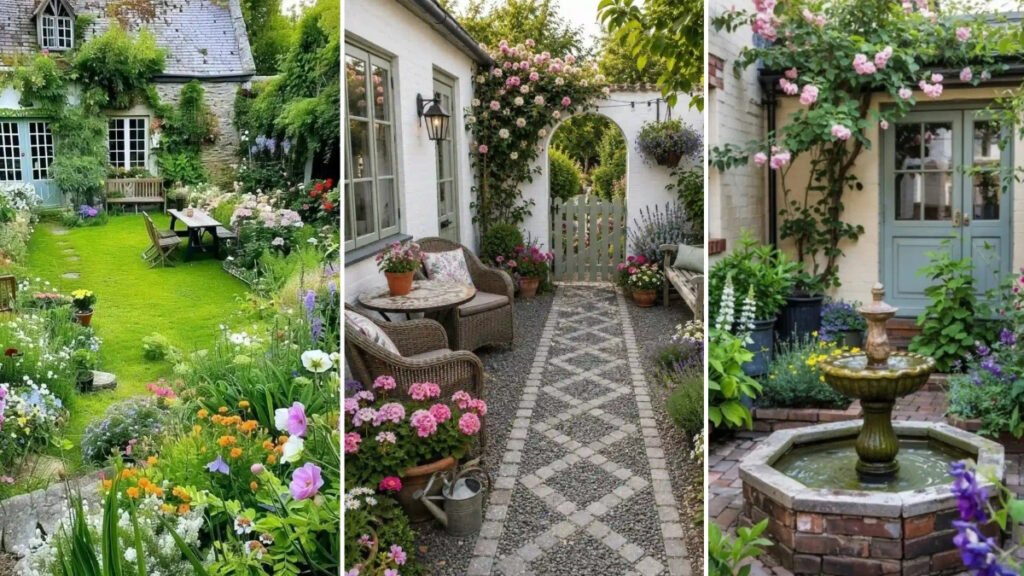
A prairie garden can look gloriously wild yet still feel carefully designed. Without a clear planting plan, though, tall grasses spill into paths, flowers compete for space, and the border soon feels untidy.
The challenge is finding that soft, windswept look without creating a patch of weeds or a garden that demands constant attention. Sun, soil, and mature plant size make all the difference.
These prairie garden ideas show how to layer airy grasses with flowering perennials, repeat natural drifts, and leave room for seasonal change. The result is a relaxed, wildlife-friendly landscape with shape, color, and manageable care.
The Planting Rhythm Behind a Naturally Wild Prairie Garden
– Build a flowing grass foundation: Use little bluestem, prairie dropseed, or other locally suitable grasses in loose, repeating groups. Their fine foliage creates movement and gives flowering plants a natural backdrop.
– Layer flowers through the seasons: Combine pale purple coneflowers, butterfly milkweed, and late-blooming asters where their growing needs match. Choose varieties suited to your climate and soil drainage. Nebraska+1
– Let height create natural depth: Place shorter grasses along pathways and taller perennials toward the back of borders. Repeat small drifts rather than scattering individual plants, and allow room for mature growth.
– Keep the wild look manageable: Clear established weeds before planting, water during establishment as needed, and leave some dry seedheads and stems standing through winter. Cut back old growth in spring to prepare for fresh growth. Illinois Extension+1
1. Ornamental Grasses Along an Evergreen Border
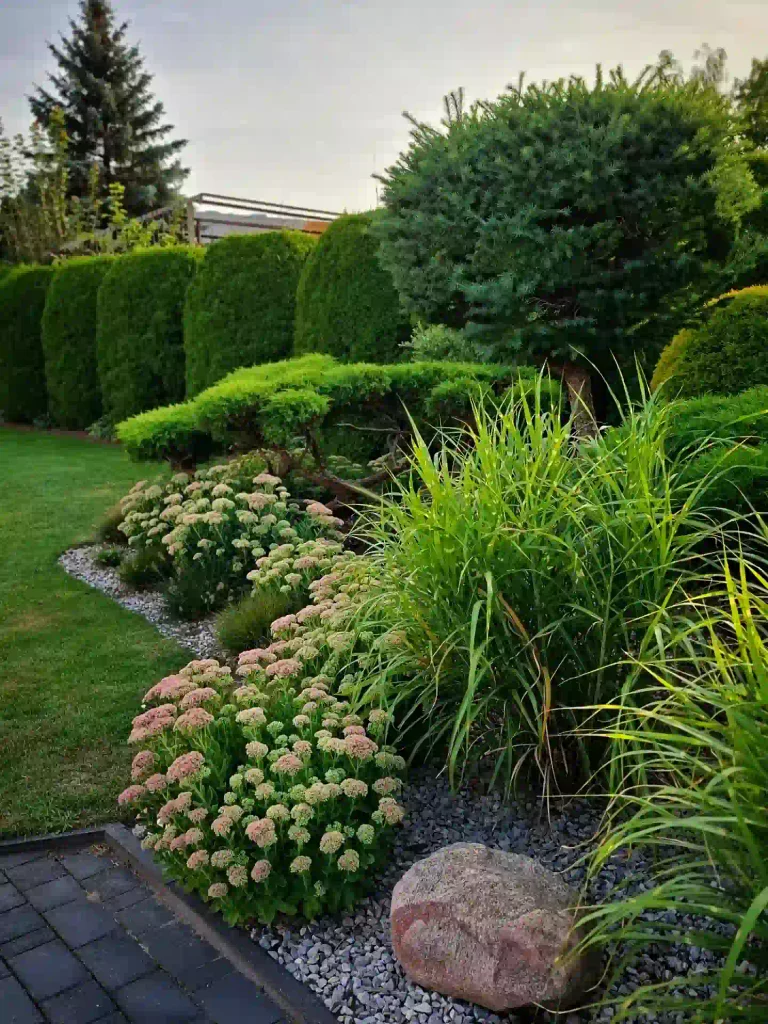
Tall, flowing ornamental grasses rise above clusters of soft pink stonecrop flowers, while sculpted evergreens create a rich green backdrop. Gray gravel, a rounded natural boulder, and neatly edged lawn give this prairie-inspired garden a beautiful balance between wild texture and structured landscaping.
The contrast is what makes this planting so appealing. Loose grass blades soften the rounded shrubs, while low-growing flower clusters bring gentle color and texture along the curved border.
Planting tip: Choose sun-loving ornamental grasses and stonecrop varieties suited to your climate, and provide well-drained soil. Leave enough room for the grasses to reach their mature width without crowding nearby flowers. Keeping the evergreens neatly shaped helps the softer planting remain the focal point.
2. White Coneflowers + Purple Verbena + Grasses

Garden formula: white coneflowers + purple verbena + airy ornamental grasses + yellow summer flowers
White coneflowers with golden-orange centers brighten the foreground, while delicate purple verbena blooms rise on slender stems above soft, feathery grasses. Silvery lavender-blue flower spikes, upright white blooms, and a glowing patch of yellow daisy-like flowers create beautiful layers of color and texture.
This prairie garden design feels wonderfully natural because the flowers grow at different heights without forming rigid rows. Fine grasses weave between the perennials, softening the planting and adding movement.
Planting note: Coneflowers and Verbena bonariensis generally prefer full sun and well-drained soil. Group them in loose drifts, allowing space for mature growth and airflow. In colder climates, check verbena’s hardiness before planting, as it may need to be grown as an annual.
3. A Wildflower Garden With Natural Stone Pathways

Golden yellow black-eyed Susans, soft purple flowering perennials, delicate white flower clusters, and tall silver-green seedheads fill this backyard with rich prairie character. An irregular flagstone pathway winds through the planting, creating a gentle sense of discovery while keeping the garden accessible.
The layered arrangement feels naturally wild without losing its shape. Taller flowers rise behind low-growing greenery, while ornamental grasses soften the edges and bring movement between the colorful blooms. A mature shade tree, rustic wooden fencing, and a decorative birdbath add a welcoming, woodland-meadow atmosphere.
Garden design tip: Keep sun-loving prairie flowers in the brightest parts of the garden and choose shade-tolerant plants beneath the tree canopy. Leave enough space around the stepping stones for mature plants to grow without blocking the walkway. A layer of organic mulch helps suppress weeds while the planting fills in.
4. A Prairie Garden Around a Natural Pond
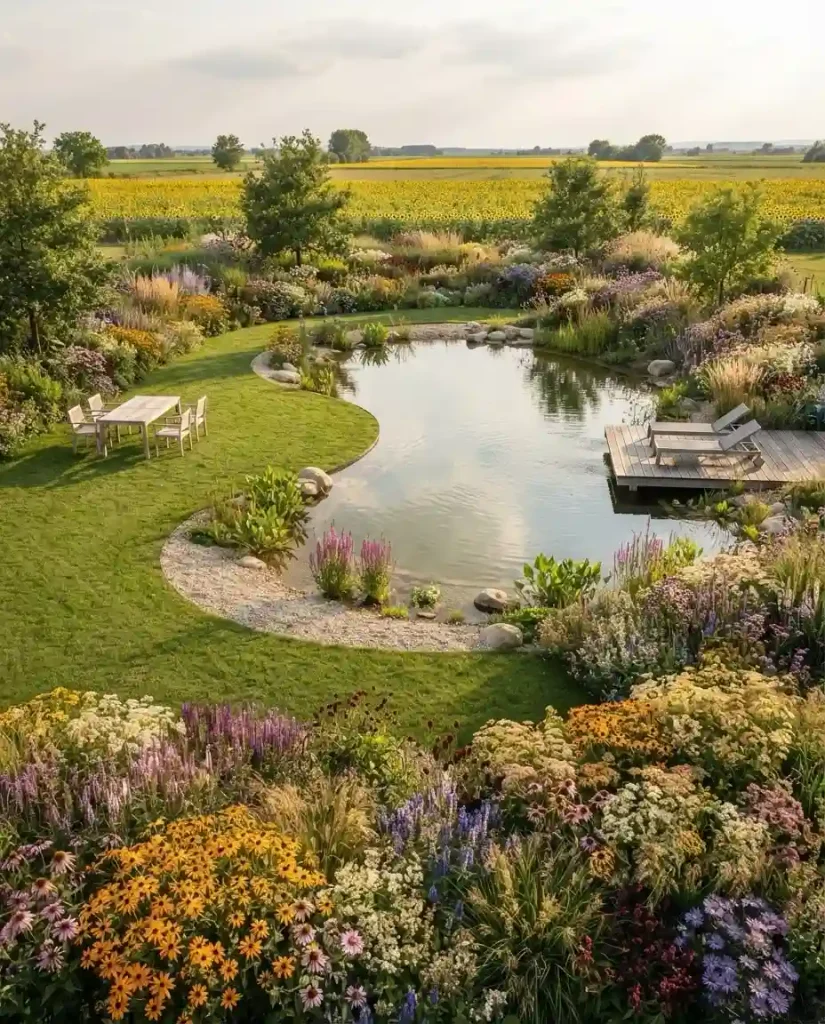
Sweeping borders of golden yellow flowers, pink coneflowers, purple flowering spikes, and feathery ornamental grasses surround a beautifully curved garden pond. Soft green lawns, natural stone edging, and a wooden lounging deck create a peaceful balance between wild prairie planting and refined outdoor living.
Why this garden works:
- Layered wildflowers: Tall grasses and colorful flowering perennials form generous drifts, creating a natural meadow effect with changing heights and textures.
- Soft garden structure: Curved lawn edges and scattered trees give the landscape a gentle flow, while the pond creates a striking central focal point.
- Relaxed outdoor living: A simple dining area and waterside loungers provide comfortable places to enjoy the surrounding flowers and open countryside.
Planting tip: Choose moisture-tolerant plants for the pond’s edge and drought-tolerant prairie perennials for higher, well-drained ground. Repeating a few flower varieties in broad groups will create a more cohesive landscape while providing seasonal color and valuable habitat for pollinators.
5. Pink Sedum and Soft Prairie Grasses

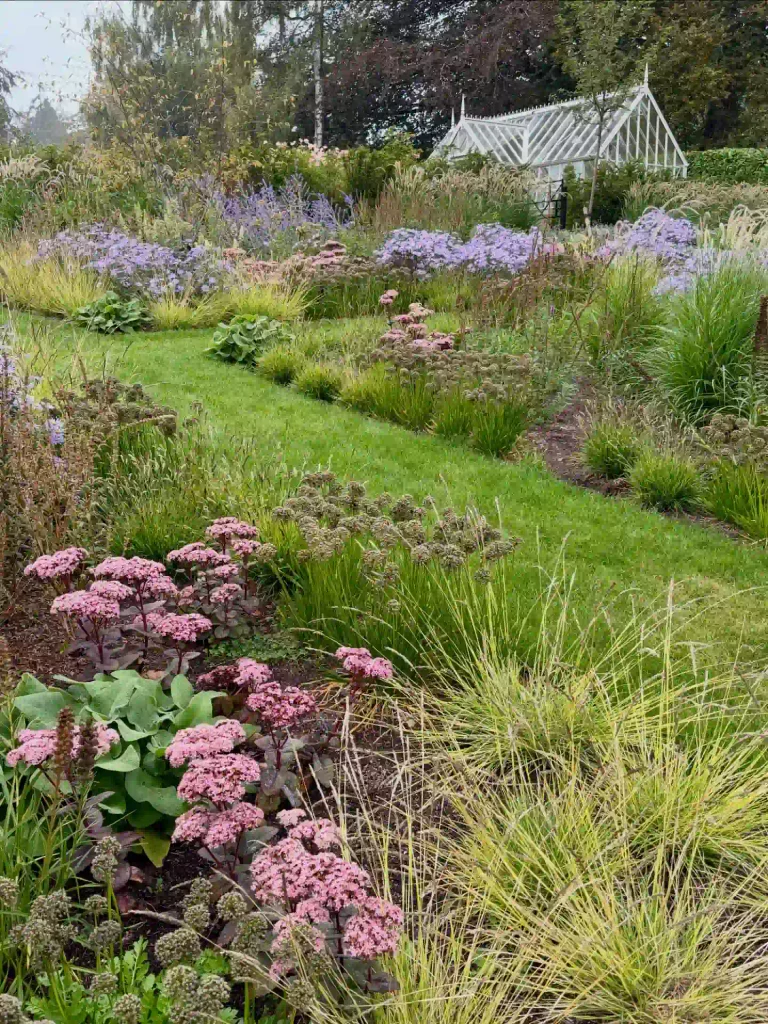
Soft pink sedum flowers, airy golden grasses, and sweeping clusters of lavender-purple asters create a beautifully layered prairie garden. A gently curving lawn pathway leads through the planting toward a charming white greenhouse, giving the wild, naturalistic borders a sense of direction and structure.
Best for: Spacious garden borders, naturalistic landscapes, and sunny gardens with well-drained soil.
The beauty of this design comes from its changing heights and contrasting textures. Rounded sedum flowerheads sit beneath taller, delicate grass stems, while purple blooms add a soft wash of autumn color. Broad drifts of repeated plants make the garden feel abundant without looking cluttered.
Seasonal planting tip: Leave ornamental grass seedheads and sturdy sedum stems standing through winter for texture and wildlife shelter. Cut back old growth in late winter or early spring, before new shoots emerge. Keep the narrow lawn edges trimmed to maintain a pleasing contrast between the relaxed planting and the neatly shaped pathway.
6. A Meadow Border With Purple Flower Spikes
Recreate this garden:
- Main plants: airy ornamental grasses, upright purple flower spikes, and scattered yellow late-season blooms
- Supporting plants: seedhead-rich perennials, low mounding greenery, and loose filler plants between the larger clumps
- Garden structure: a broad naturalistic bed, gravel foreground, and a simple stone wall defining the edge
- Finishing touch: a mature shade tree and weathered outbuildings that give the space a quiet rural character
This planting works because it feels open and relaxed rather than densely packed. Repeated grass clumps create rhythm across the bed, while the purple flowers lift above the softer foliage and draw the eye through the landscape.
Garden design note: This is a strong example of prairie garden ideas used in a larger setting. Keep the palette restrained, repeat a few dependable plants in drifts, and leave enough space between clumps so each plant can reach its mature shape without losing that breezy, meadow-like look.
7. Golden Prairie Grasses and Autumn Seedheads
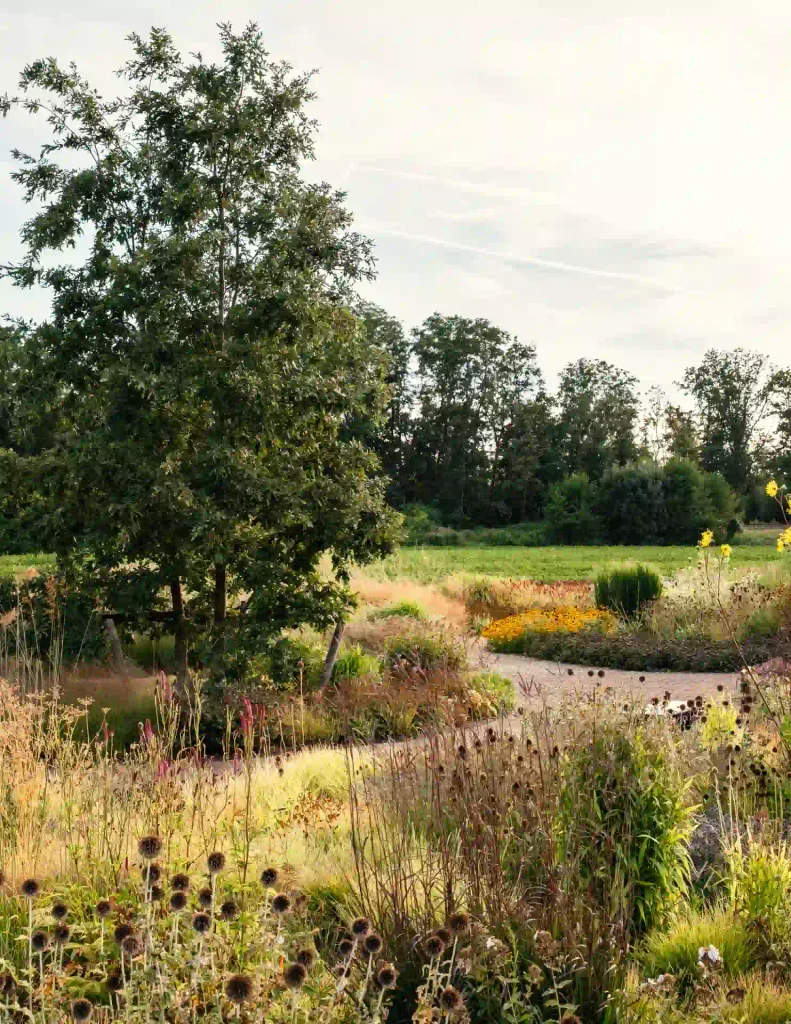
Golden ornamental grasses, dark rounded seedheads, and slender reddish flower spikes create a richly textured prairie garden filled with warm late-season color. A gently curving gravel pathway winds through the naturalistic planting, while mature trees provide leafy structure against the open meadow beyond.
The beauty of this landscape comes from its relaxed, slightly untamed appearance. Soft grass plumes catch the sunlight, dried flower stems add height, and a bright patch of yellow daisy-like flowers brings fresh color among the fading perennials.
Seasonal gardening tip: Leave sturdy seedheads and ornamental grasses standing through winter to provide visual interest and shelter for beneficial insects. Cut back old growth in early spring, and choose sun-loving prairie plants for open areas while using shade-tolerant species beneath the trees.
8. A Colorful Wildflower Meadow Garden
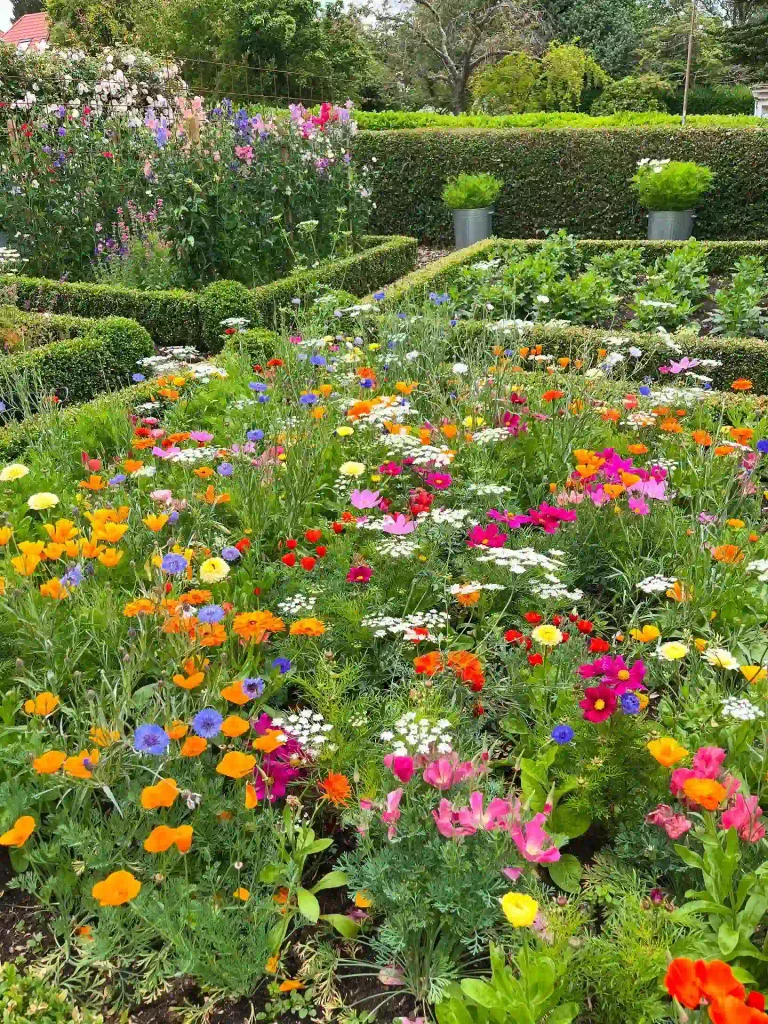
Bright orange poppies, pink cosmos, blue cornflowers, and delicate white umbel-shaped flowers create a cheerful meadow planting filled with natural movement. Behind the colorful flowers, tall sweet peas climb a rustic support, while neatly clipped boxwood hedges frame the garden with elegant green structure.
Why this garden works:
- Natural color mixing: Orange, pink, blue, yellow, and white flowers mingle freely, creating the spontaneous beauty of a wildflower meadow.
- Contrasting garden structure: Low evergreen hedges provide clean lines that balance the loose, informal flowering plants.
- Layered planting: Shorter poppies and calendula-like blooms fill the foreground, while airy cosmos and climbing sweet peas add height and depth.
Recreate this look: Sow suitable annual wildflowers in a sunny bed with well-drained, prepared soil. Choose species adapted to your region, thin crowded seedlings, and provide climbing supports for sweet peas. Keep the boxwood borders trimmed to preserve the beautiful contrast between structured landscaping and freely growing flowers.
9. Fountain Grasses and Golden Autumn Borders
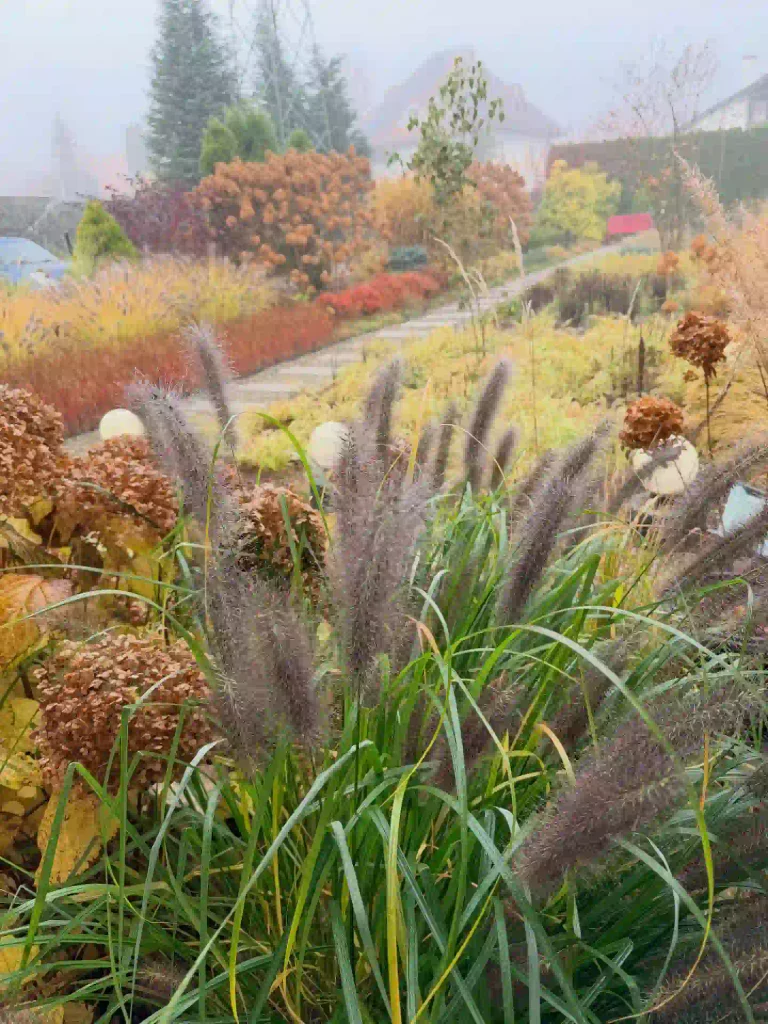
Soft, bottlebrush-like plumes of purple-gray fountain grass rise above arching green foliage, creating a striking foreground in this autumn prairie garden. Behind them, golden ornamental grasses, rust-red planting drifts, and dried hydrangea flowerheads fill the landscape with warm seasonal color.
The narrow stone pathway winds gently through the planting, giving the garden structure while allowing the grasses and perennials to grow in relaxed, natural-looking groups. Misty light softens the rich bronze, copper, and golden tones, making the entire space feel calm and beautifully established.
Seasonal gardening tip: Leave ornamental grasses and dried flowerheads standing through winter for texture and seasonal interest. Cut back deciduous grasses before fresh spring growth begins. If using purple fountain grass, check its hardiness and invasive potential in your region, as it may need winter protection or a more climate-suitable alternative.
10. Pink Flowers + Purple Salvia + Hydrangeas
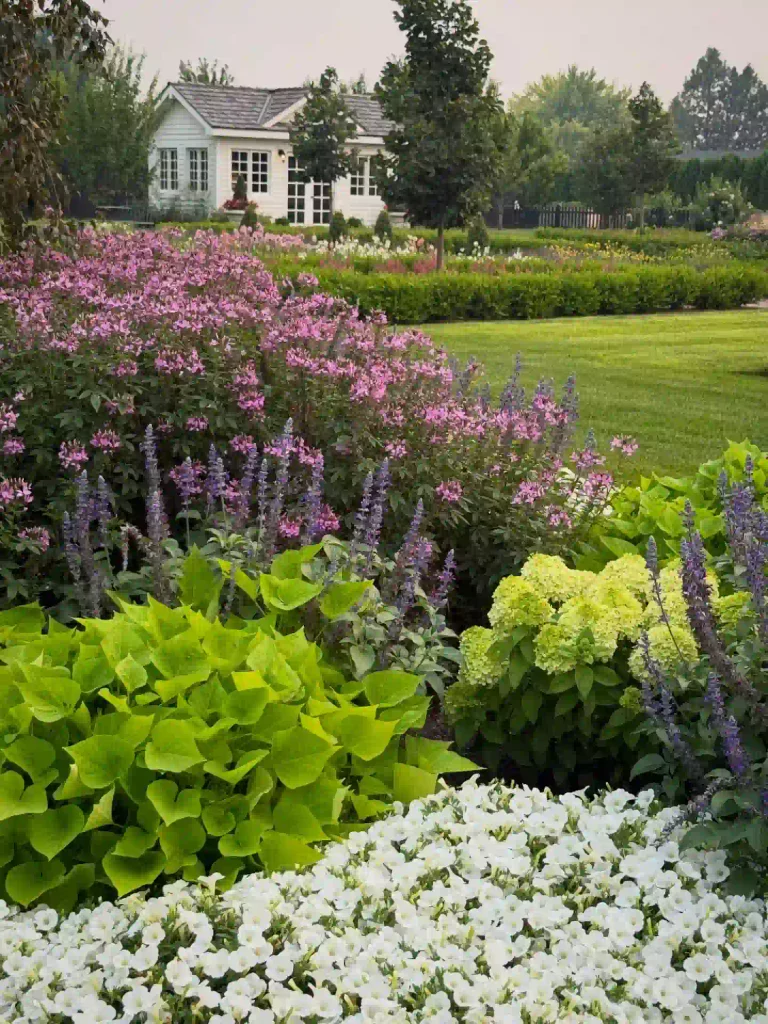
Soft pink flower clusters, upright purple salvia spikes, and creamy lime-green hydrangea blooms create a lush, colorful garden border. Bright chartreuse foliage and a carpet of white petunia-like flowers fill the foreground, while clipped evergreen hedges and a neatly maintained lawn bring structure to the relaxed planting.
Garden design tip: This border leans toward formal cottage garden styling, but adding small drifts of airy prairie grasses would give it a softer, more natural appearance.
- Color balance: Repeat pink and purple flowers against fresh green foliage, allowing white blooms to brighten the lower planting.
- Planting conditions: Group sun-loving flowers in brighter areas and position hydrangeas where their moisture and light needs can be met. Leave enough space for mature shrubs to grow without crowding neighboring perennials.
11. Magenta Cranesbill and Soft Prairie Grasses
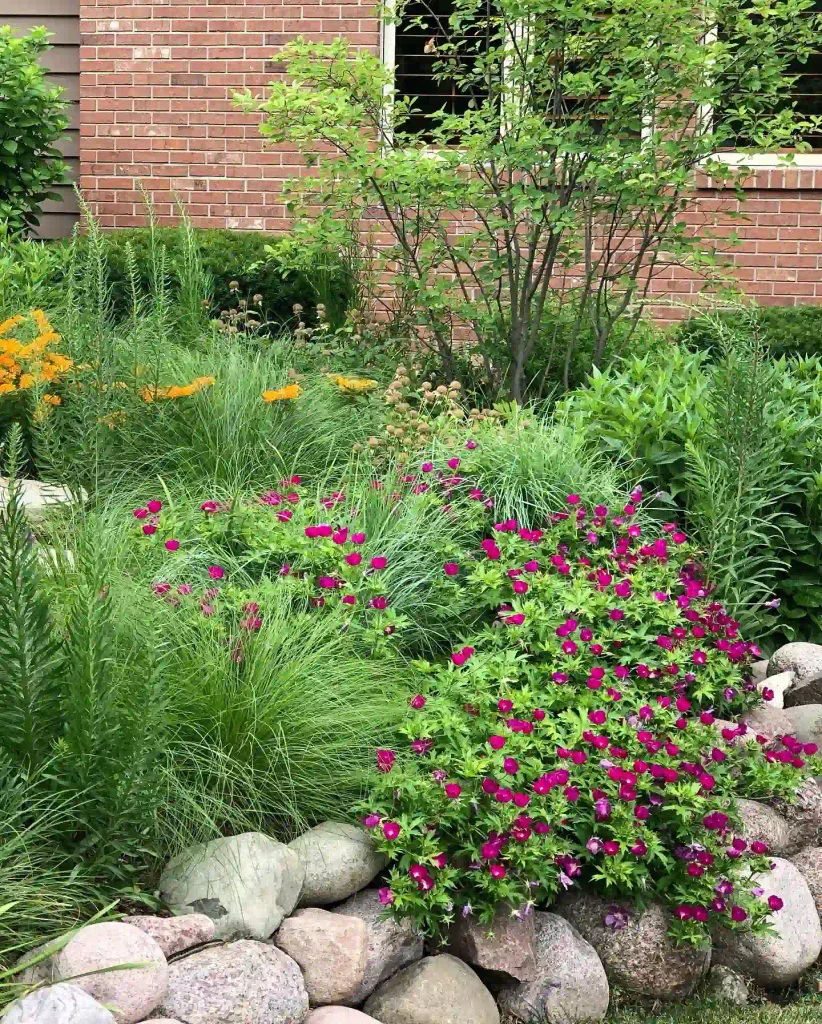
Garden formula: magenta hardy geraniums + fine-textured ornamental grasses + orange flowering perennials + natural river rocks
Vibrant magenta flowers spill between soft, arching grasses, while small clusters of golden-orange blooms add warmth to this lush prairie-inspired garden border. Rounded natural stones create a relaxed edge, and a small multi-stemmed tree provides height against the warm brick house.
The contrast between delicate grass blades, colorful flowers, and smooth stones gives this planting a wonderfully natural appearance. Repeating the grasses in loose groups helps connect the different plants without making the border feel overly arranged.
Spacing tip: Choose flowering perennials and grasses with compatible sunlight, soil, and watering needs. Allow room for their mature spread, and keep vigorous plants from covering smaller flowers. A few well-placed stones help define the border while preserving its soft, meadow-like character.
12. Wild Prairie Planting With Rustic Log Edging
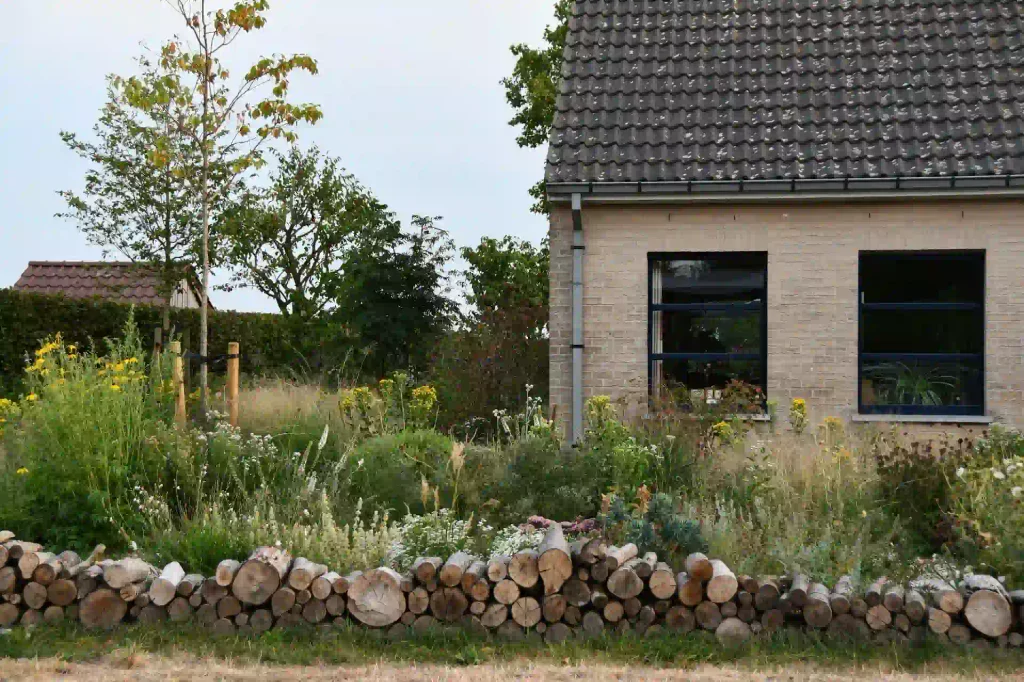
Golden-yellow wildflowers, airy ornamental grasses, and delicate white flowering perennials create a relaxed prairie garden beside a modern brick home. A low border of stacked natural logs defines the planting bed, bringing warmth and rustic character to the landscape without disturbing its wild appearance.
Best for: Naturalistic front yard landscaping, informal garden borders, and sunny spaces beside modern homes.
The planting combines soft, feathery grasses with upright flower stems and low-growing greenery. Taller yellow blooms add height toward the back, while pale flowers and scattered seedheads create texture closer to the edging. A young deciduous tree provides a vertical focal point without overwhelming the planting.
Garden design tip: Use locally suitable perennial flowers and ornamental grasses with similar sunlight and drainage needs. Leave space around young trees for their expanding roots and canopy, and keep the stacked logs stable as they gradually weather. This simple edging technique creates a lovely contrast between natural meadow planting and clean architectural lines.
13. Purple Flower Drifts and Pink Coneflowers
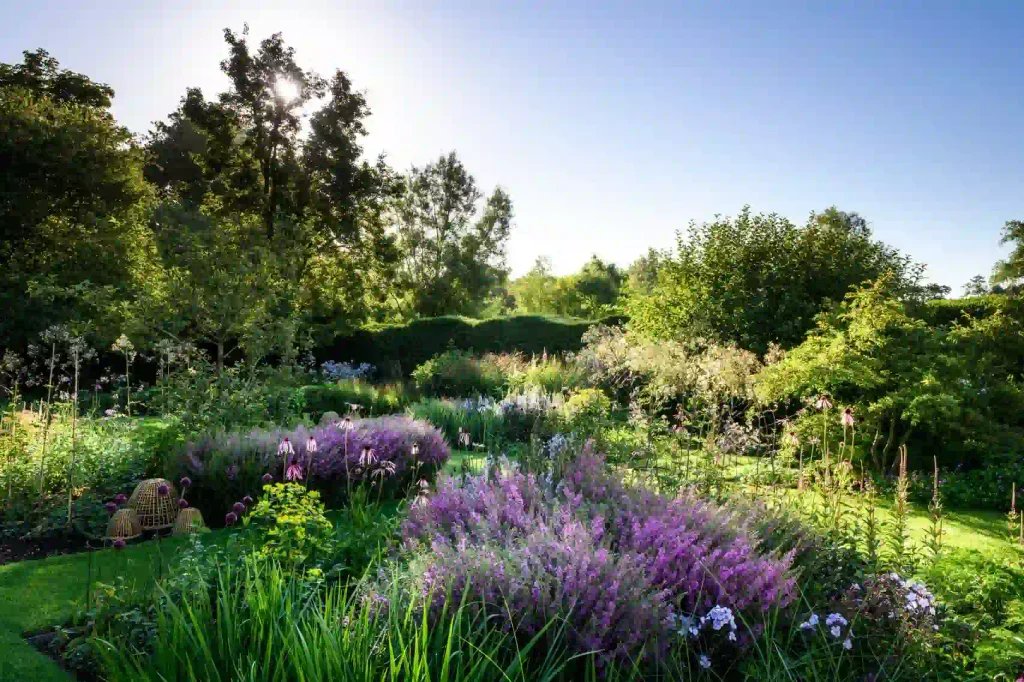
Sweeping mounds of lavender-purple flowers, delicate pink coneflowers, and rounded purple allium heads create a lush, prairie-inspired garden filled with soft summer color. Tall flowering stems rise above fine green foliage, while ornamental grasses and airy white blossoms add texture and movement throughout the planting.
The loose arrangement feels wonderfully natural, yet the neatly trimmed lawn and dark evergreen hedges provide enough structure to keep the garden looking refined. Mature trees filter sunlight across the flowers, creating a peaceful atmosphere with beautiful contrasts of light and shade.
Plant pairing idea: Repeat purple-flowering perennials in generous drifts and weave pink coneflowers between them for height and seasonal interest. Choose plants suited to the available sunlight, keeping sun-loving prairie flowers in brighter areas and shade-tolerant varieties closer to the trees.
14. A Mediterranean Prairie Garden With Stone Terraces
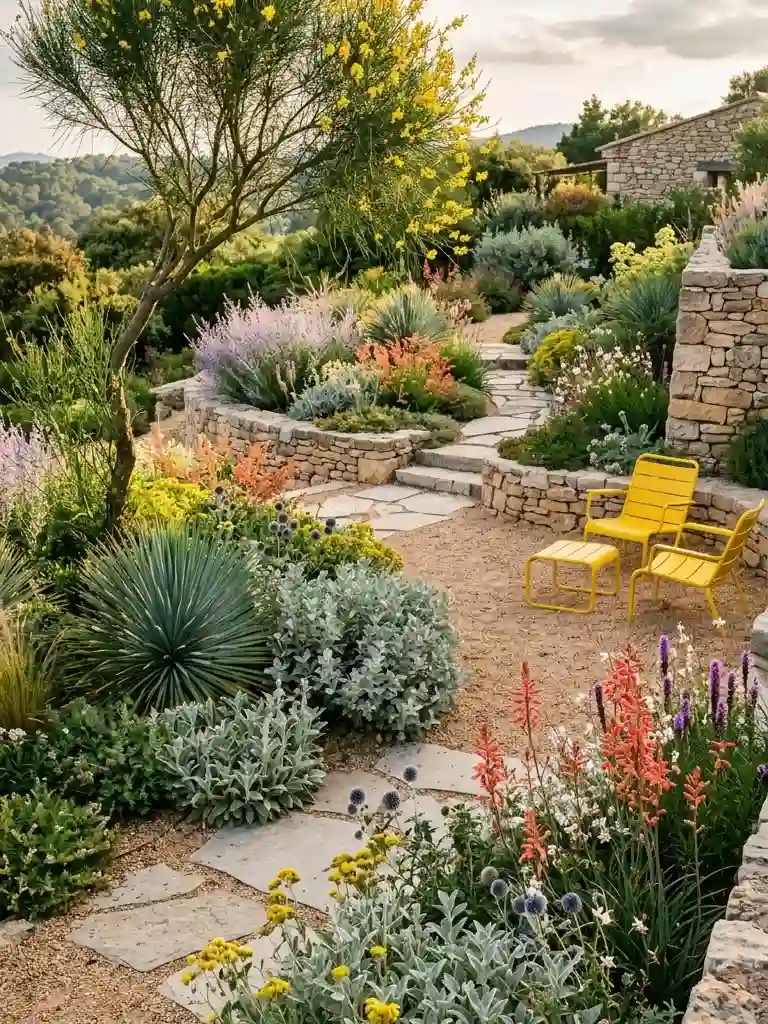
Silver-gray foliage, soft lavender-purple flower spikes, sculptural blue-green plants, and warm coral blooms fill this terraced garden with a beautiful mix of prairie-inspired textures and Mediterranean character. Natural limestone retaining walls frame the layered planting, while irregular stone steps lead toward a peaceful gravel seating area with bright yellow chairs.
Why this garden works:
- Contrasting foliage: Soft, fuzzy silver leaves balance the sharp, architectural shapes of spiky plants and the delicate movement of flowering stems.
- Warm color combinations: Coral-orange flowers, golden-yellow blooms, and purple flower spikes bring richness to the restrained green and silver palette.
- Natural garden structure: Stone terraces, gravel surfaces, and gently winding paths create defined spaces without making the planting feel rigid.
Planting note: To recreate this dry-garden look, consider drought-tolerant plants such as lavender, yarrow, suitable ornamental grasses, and hardy succulents. Choose species adapted to your local climate, provide excellent drainage, and group plants with similar watering needs. Avoid placing moisture-loving prairie perennials alongside plants that require consistently dry soil.
15. Purple Asters and Flowing Prairie Grasses
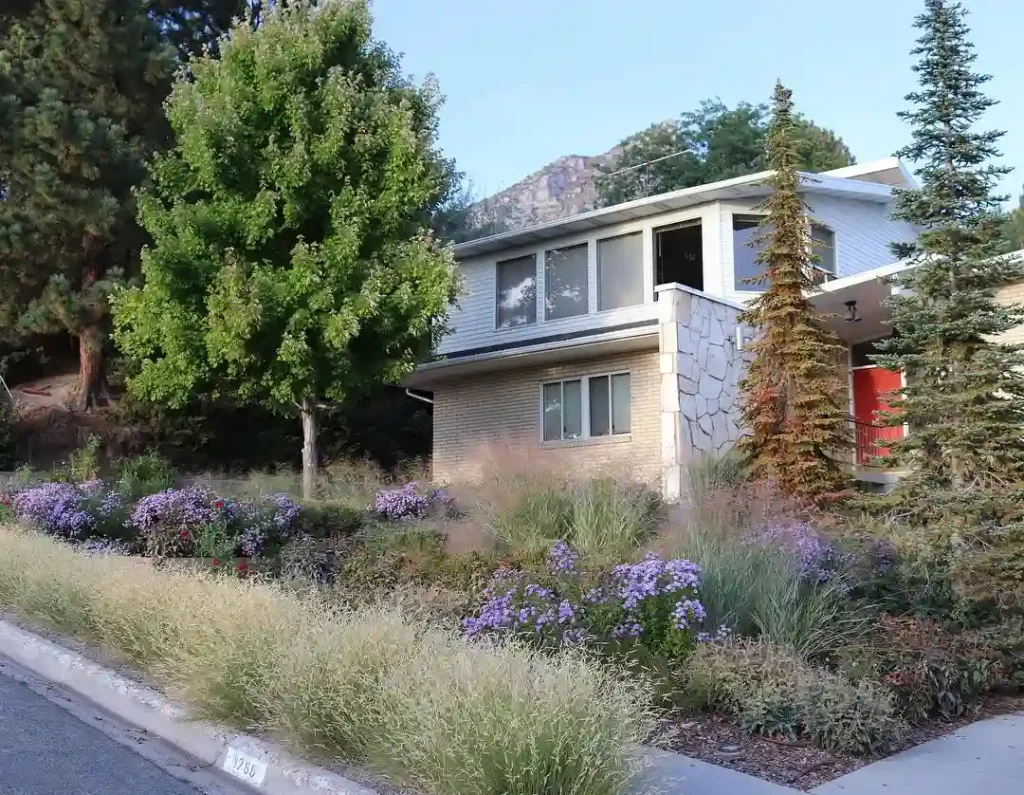
Soft, golden ornamental grasses sweep along the roadside, while generous clusters of purple aster-like flowers bring rich color to this naturalistic front yard garden. Taller blue-green grasses, low-growing shrubs, and mature trees create gentle layers around the modern home, softening its clean architectural lines.
Best for: Sunny front yards, sloped landscapes, and low-maintenance garden borders.
The planting feels relaxed because the grasses form broad, flowing drifts rather than stiff rows. Purple flowers repeat throughout the landscape, creating a clear color theme without overwhelming the soft green and straw-colored foliage.
Recreate this look:
- Grasses: Choose locally suitable little bluestem, prairie dropseed, or other compact ornamental grasses for texture and movement.
- Flowers: Add hardy asters adapted to your region for late-season color and pollinator interest.
- Layout: Keep shorter grasses near sidewalks and roads, with taller plants farther back to preserve visibility.
Allow enough space for mature growth, and trim plants that spread onto public walkways. This keeps the prairie-inspired landscape attractive while maintaining a neat, welcoming street edge.
16. Pink Bee Balm Among Soft Prairie Grasses

Soft pink bee balm flowers rise above flowing clumps of fine-textured ornamental grasses, creating a lush, prairie-inspired garden border beside a warm red brick home. A graceful multi-stemmed tree provides height and delicate shade, while rounded evergreen shrubs and leafy green perennials bring structure to the relaxed planting.
The combination works beautifully because the feathery pink blooms contrast with the narrow, arching grass blades. Repeated flower clusters create a gentle rhythm, while the grasses soften the edges and add natural movement.
Planting tip: Bee balm grows best in sun to partial shade with reasonably moist, well-drained soil. Provide good airflow between plants to help reduce powdery mildew, and choose companion grasses with similar moisture requirements.
17. Pink Coneflowers and Golden Prairie Grasses
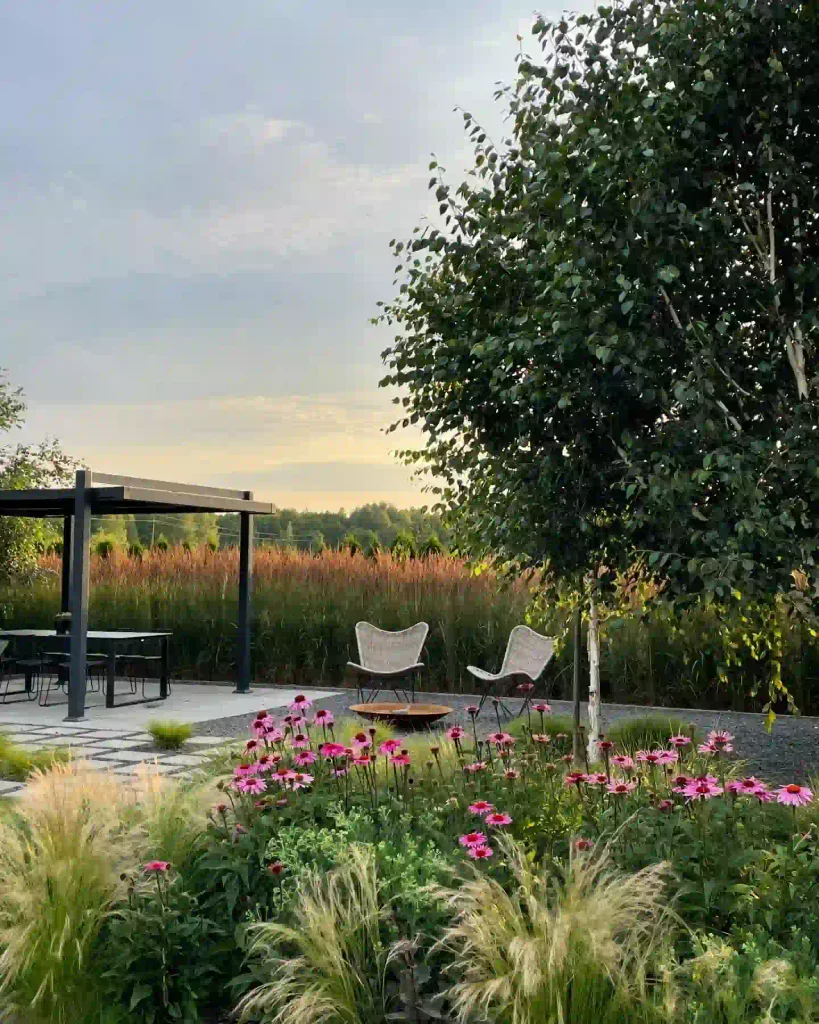
Bright pink coneflowers with copper-orange centers rise above soft, feathery ornamental grasses, creating a beautiful prairie-inspired garden beside a modern outdoor patio. A graceful white-barked tree adds height and leafy shade, while tall bronze-tipped grasses form a natural screen along the back of the garden.
The combination of structured paving, contemporary seating, and loose meadow planting gives this backyard a calm, welcoming atmosphere. Golden grass plumes soften the edges of the patio, while the pink flowers bring lively summer color and attract pollinators.
Why this garden works:
- Natural privacy: Tall ornamental grasses create a soft boundary without the heavy appearance of a solid hedge.
- Seasonal movement: Fine grass plumes sway in the breeze and catch the warm evening light.
- Balanced planting: Repeated coneflowers provide a strong color theme, while lower grasses connect the flower beds to the patio.
Planting tip: Purple coneflowers generally prefer full sun and well-drained soil. Choose ornamental grasses suited to your climate, and allow enough space for their mature spread. Keep taller plants away from seating areas and maintain clear access around the patio.
18. Red Helenium + Pink Coneflowers + Grasses
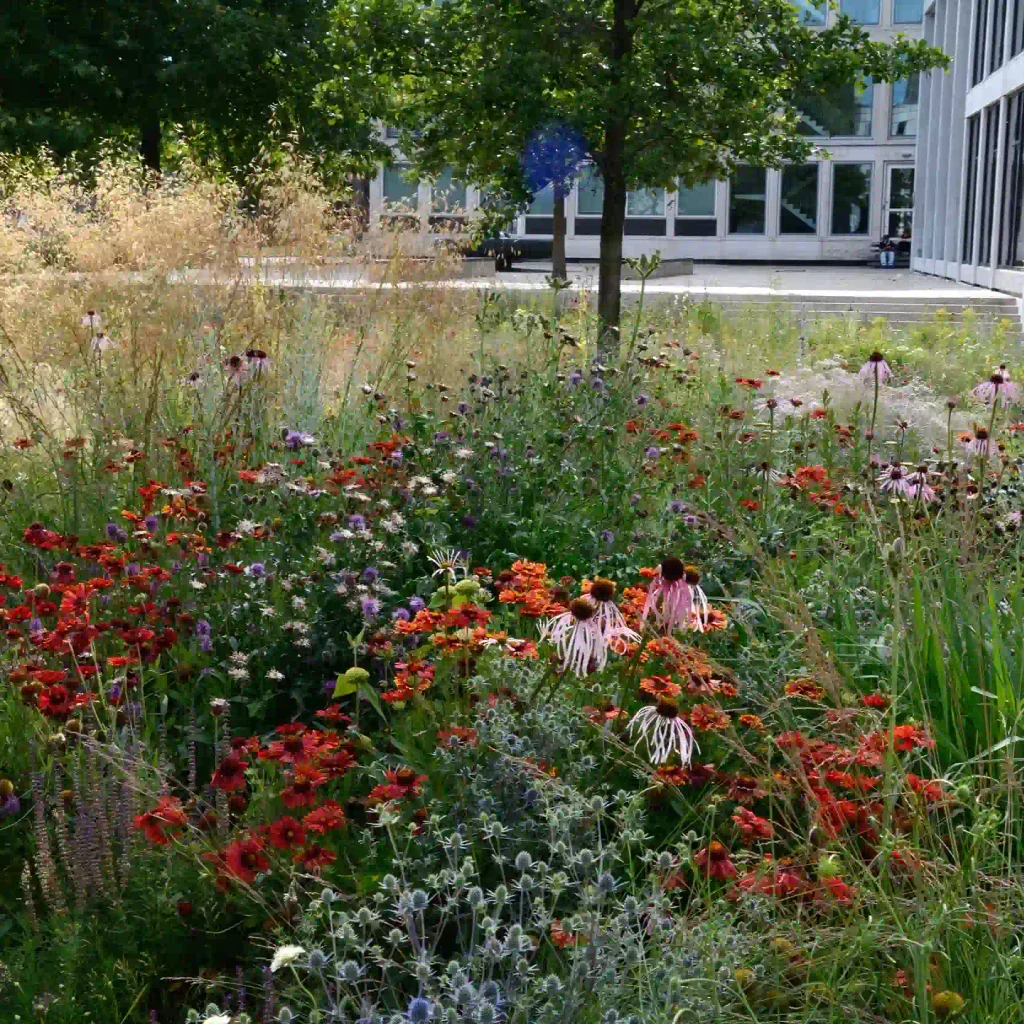
Fiery red-orange helenium flowers, soft pink coneflowers, and silvery-blue sea holly create a richly layered prairie garden filled with color and texture. Delicate purple flowering perennials weave between the brighter blooms, while tall golden grasses form a soft, airy backdrop beneath mature shade trees.
Why this garden works:
- Bold flower colors: Warm red and orange blooms contrast beautifully with pale pink coneflowers and cool blue-purple flowers, creating a lively yet natural palette.
- Layered planting: Taller grasses and coneflowers provide height, while lower flowering perennials fill the spaces between them.
- Natural movement: Fine grass stems and loose flower clusters soften the planting, bringing the relaxed character of a wild meadow into a modern courtyard.
Pollinator note: Helenium, coneflowers, and sea holly can provide valuable nectar and pollen for bees and butterflies. Choose varieties suited to your climate, and group plants by their moisture needs. Helenium generally prefers more consistent moisture than drought-tolerant sea holly, so place them in separate planting pockets with suitable drainage and watering.
19. Pink Foxgloves and Lavender Garden Pathway

Tall pink and white foxgloves, soft lavender-purple flower spikes, and rounded clusters of white hydrangeas create a romantic garden border along a gently winding gravel pathway. Climbing pale pink roses soften the old brick wall, while lush green foliage and flowering perennials fill the beds with beautiful layers of height, color, and texture.
This planting blends the loose abundance of a wildflower garden with the charm of traditional English cottage landscaping. Repeated purple blooms guide the eye along the golden gravel path, while taller foxgloves create striking vertical accents. The warm brickwork and rustic wooden gate give the garden a welcoming, established atmosphere.
Planting note: This is a cottage-style alternative to a true prairie garden. Foxgloves often prefer partial shade and moisture-retentive, well-drained soil, while lavender and many salvias need more sunshine and sharper drainage. Place them in separate planting pockets according to their growing requirements.
For a softer prairie-inspired look, add small groups of suitable ornamental grasses among the flowering perennials, leaving enough space for mature growth and clear access along the pathway.
20. Curved Garden Pathways With Colorful Meadow Borders
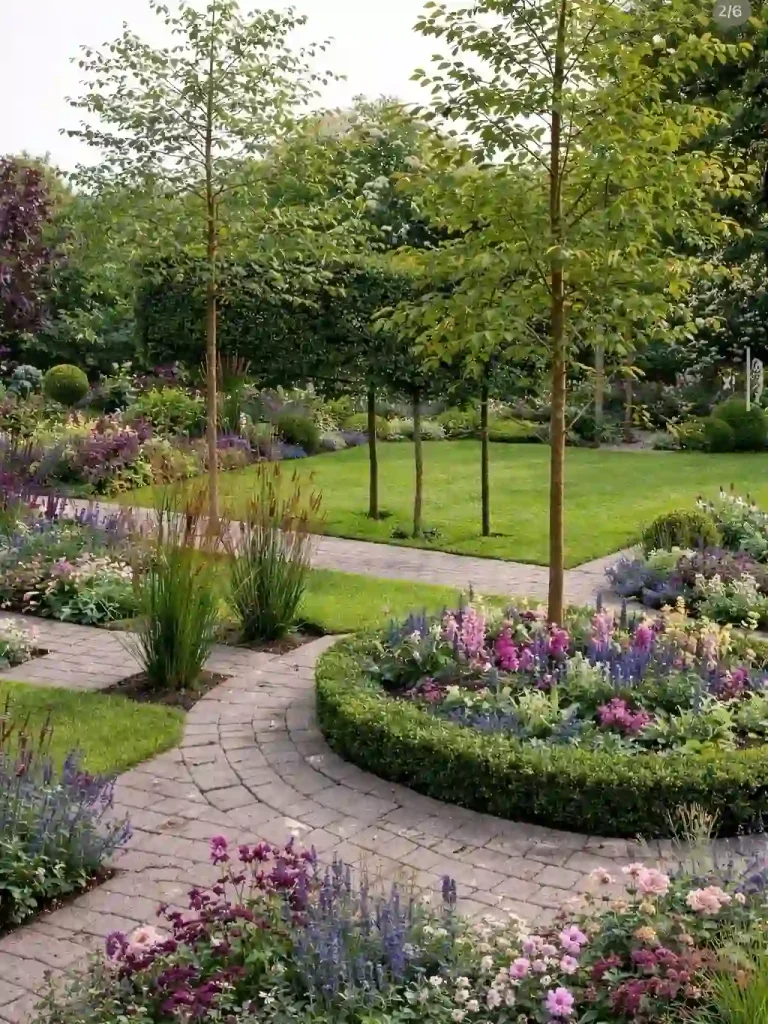
Soft purple salvia spikes, delicate pink flowers, and airy ornamental grasses bring natural movement to this beautifully structured garden. Curving brick pathways weave between neatly clipped green hedges, while young deciduous trees and sculpted leafy canopies add height and a graceful sense of order.
The contrast between formal landscaping and loose, prairie-inspired planting makes this garden especially appealing. Colorful flowers soften the pathways, fine grass stems introduce texture, and the open lawn provides a restful green space between the richly planted borders.
Garden design tip: Repeat purple and pink flowering perennials along the curved paths to create a cohesive look. Add compact, climate-suitable ornamental grasses for movement, and choose plants according to the sun and shade each border receives. Keep taller flowers set back from the paving, allowing enough room for mature growth without narrowing the walkways.